

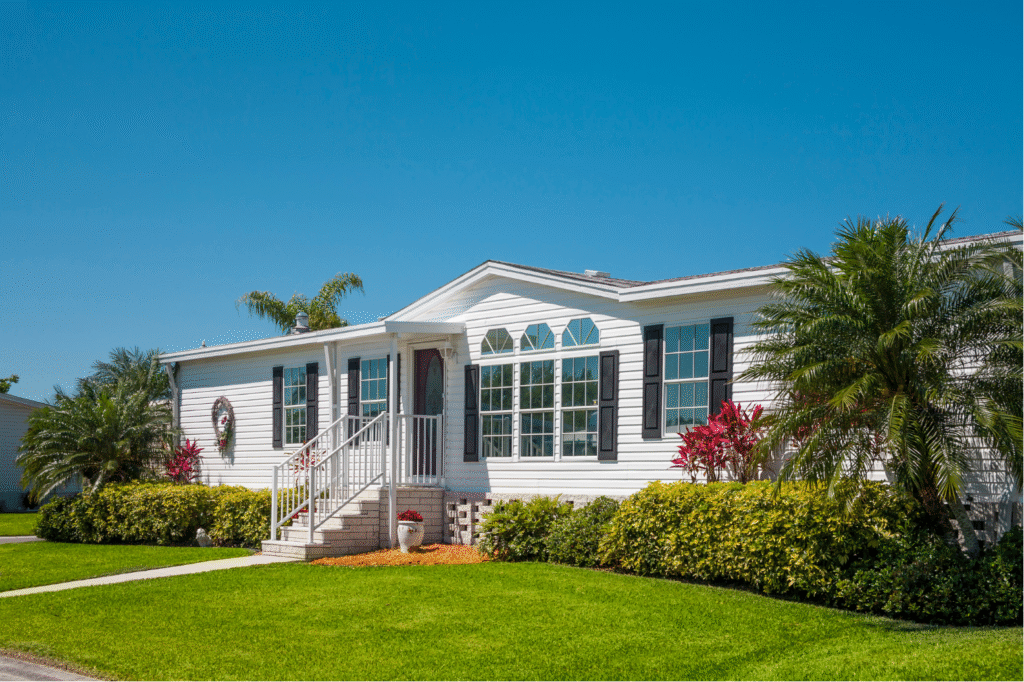
Manufactured homes have a rich history in the United States, shaped by technology, economics, and the ongoing need for affordable housing. What many don’t realize is that today’s modern manufactured homes are the result of nearly a century of innovation in factory built living.
In the 1920s and 1930s, compact “house trailers” provided temporary lodging for travel and recreation, but during the Great Depression, economic necessity transformed these trailers into permanent homes, laying the foundation for a new form of housing.
In the 1940s and 1950s, the United States faced a housing shortage, and trailer manufacturers responded with larger, full-time residences. Organized trailer communities offered an accessible path to homeownership for working families, transforming trailers from temporary shelters into mainstream housing options.
By the 1960s and early 1970s, these homes were bigger, better, and in need of standards. Mobile homes grew in size and comfort, featuring multiple bedrooms, full kitchens, and modern appliances. Rapid expansion, however, led to inconsistent construction, raising safety and quality concerns and highlighting the need for national regulation.
The turning point came in 1976 with the National Manufactured Housing Construction and Safety Standards Act, implemented by the Federal Department of Housing and Urban Development (HUD), which established the first nationwide building standards for factory-built homes. Requirements for structural strength, fire safety, energy efficiency, transportation durability, and proper installation dramatically improved quality, safety, and consumer confidence, officially distinguishing manufactured homes from earlier mobile homes.
Since the 1980s, manufactured homes have evolved into modern, high-quality residences. Today’s models feature open floor plans, residential-style exteriors, energy-efficient construction, and customizable layouts. Built in controlled factory environments, they ensure consistent quality, reduce material waste, and shorten construction timelines.
Manufactured homes now play a vital role in addressing housing affordability, offering first-time buyers, retirees, and families a practical path to homeownership. From trailers to trusted homes, they have evolved into sophisticated, modern housing solutions—and their story continues.
Source: mobilehome.com
